What happens when a refrigerator cools but doesn't freeze?
Discover why your refrigerator cools but doesn't freeze, which components to check, and how it affects your food. Identify common problems and safe solutions.
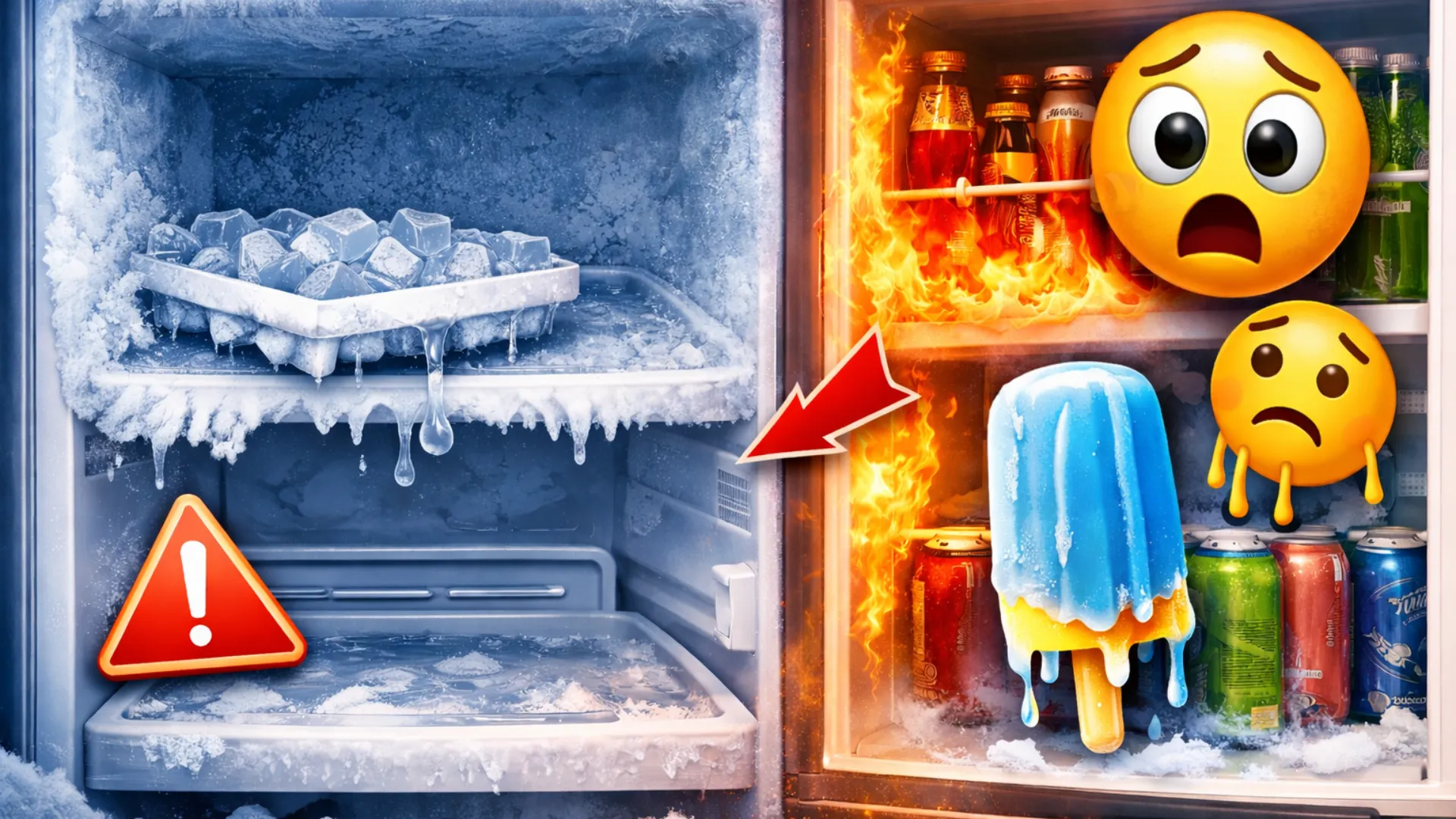
When a refrigerator cools but doesn't freeze, it's usually a sign that something isn't working properly in its cooling system. This can affect food preservation, especially for foods that require sub-zero temperatures to stay fresh. Understanding why this problem occurs and which components to check can help you troubleshoot the issue and prevent food waste. Furthermore, keeping your refrigerator in optimal condition ensures that your food stays fresh longer.
Definition and function of a refrigerator that cools but does not freeze
A refrigerator is an appliance designed to keep food at low temperatures, slowing bacterial growth and preserving its freshness. Its main function is to cool the food compartment and, in the case of the freezer, to freeze food for long-term storage. When the refrigerator cools but doesn't freeze, it means the cooling system is partially working, but the mechanism for reaching sub-zero temperatures isn't functioning correctly.
As a specialist in appliance maintenance, I have seen that this problem is common and is usually related to failures in key components of the refrigeration system.
Common signs or symptoms
- Freezer temperature above 0°C: indicates that the freezer is not reaching the necessary temperature, which may cause food to thaw.
- Uneven frost buildup: may indicate problems with the defrosting system or thermostat.
- Continuous operation of the compressor without achieving adequate cooling: this can lead to excessive energy consumption and premature wear.
Common causes
Cause 1: Thermostat problems
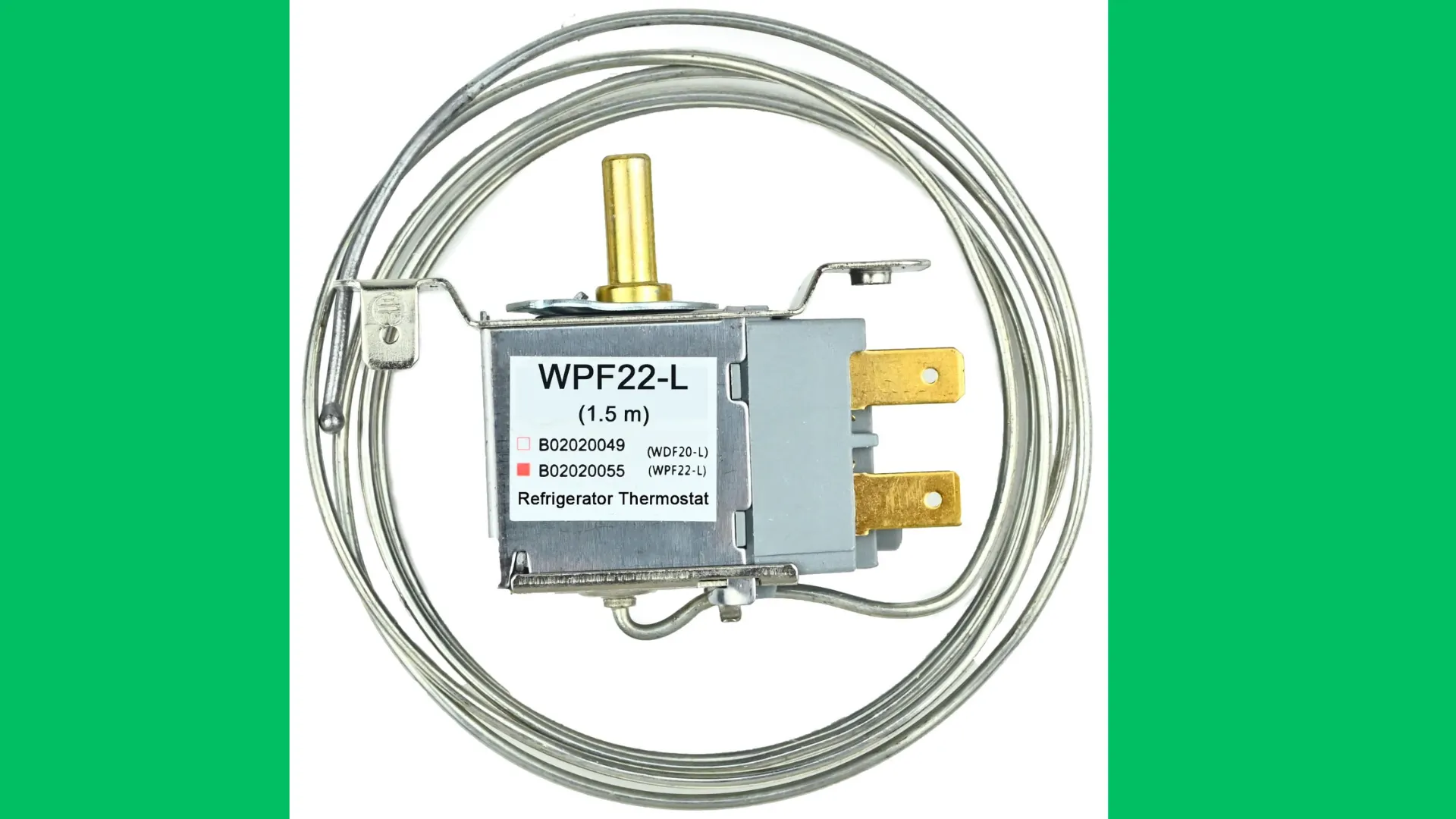
The thermostat regulates the temperature inside the refrigerator and freezer. If it's damaged or out of calibration, it can prevent the compressor from working properly to reach freezing temperatures. To identify the problem, check if the freezer doesn't respond to temperature settings or if the compressor shuts off prematurely.
Cause 2: Leaks in the refrigerant system
Refrigerant is the gas that absorbs and removes heat inside the refrigerator. A leak reduces the amount available, decreasing cooling and freezing efficiency. You may notice the compressor running longer without producing any results or hear unusual noises. Detecting a leak requires a technician with specialized equipment.
Cause 3: Fan motor problems
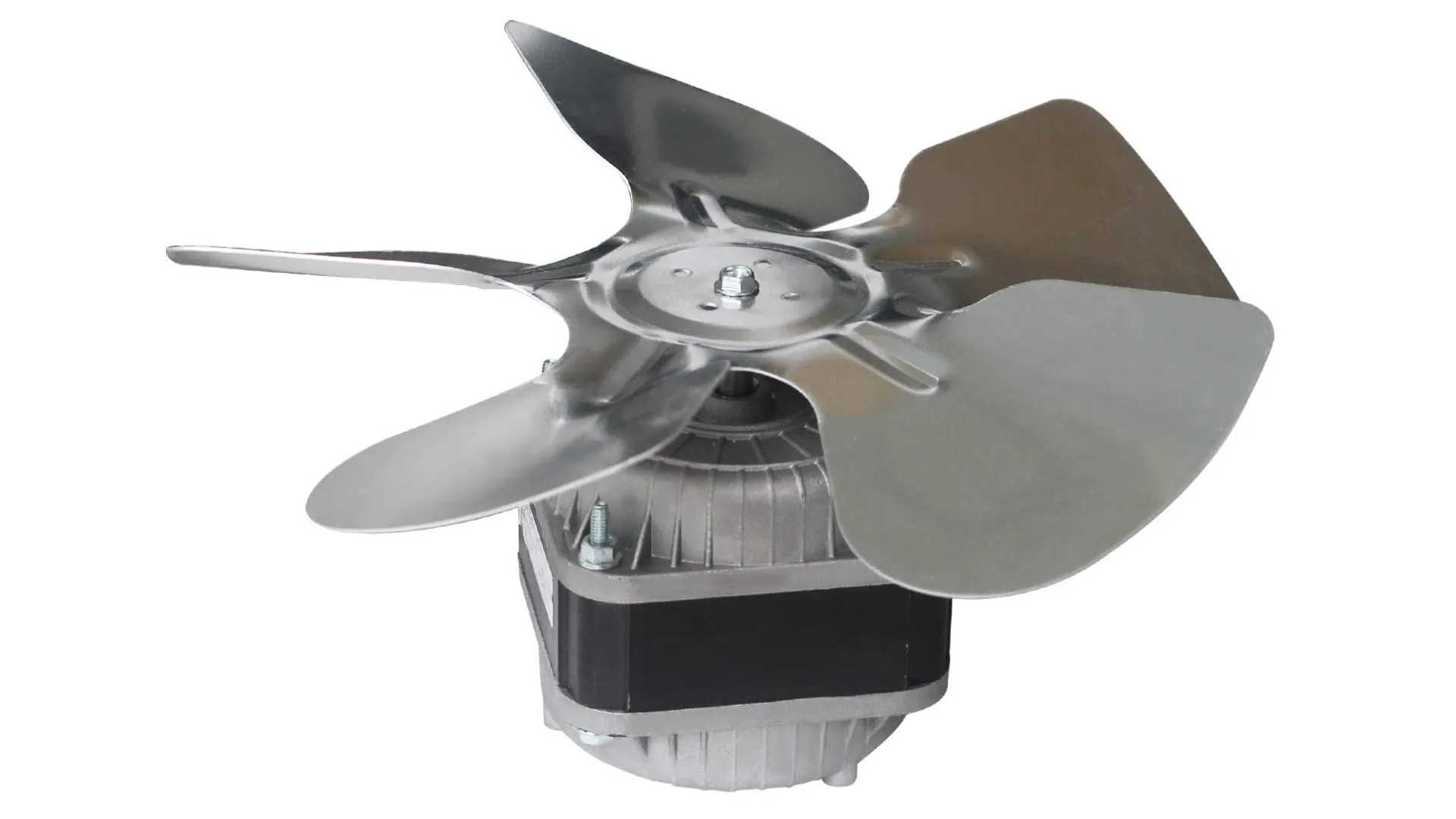
The fan circulates cold air from the freezer to the refrigerator. If it's damaged or blocked, the cold air won't circulate properly, which can cause the freezer to not freeze while the refrigerator is cooling. To check for this, listen to see if the fan is running or check for ice buildup blocking it.
Cause 4: Obstruction in the air outlets
Air vents can become blocked with food or ice buildup, preventing the circulation of cold air needed for freezing. Check for objects blocking the vents or for ice buildup obstructing airflow.
Cause 5: Failures in the automatic defrost system
If the automatic defrost system is faulty, a layer of ice can form, preventing the freezer from functioning properly. This affects its ability to freeze correctly. A clear sign is excessive frost buildup.
Step-by-step (safe) solutions
It is important to take precautions and unplug the refrigerator before performing any checks to avoid electrical hazards.
- Step 1: Set the thermostat to the recommended temperature (usually -18°C for the freezer) and observe whether the freezer reaches this temperature within 24 hours.
- Step 2: Defrost the refrigerator completely to remove accumulated ice and check the air vents, ensuring they are free of obstructions.
- Step 3: Verify that the fan is working properly by listening for it to run or by opening the freezer door; if it is not working, it is time to call a technician.
Quick alternatives
- Option A: Use a de-icing spray for accumulated ice.
- Pros: Quick solution for removing ice.
- Cons: It does not solve underlying problems such as electrical or refrigerant failures.
- Option B: Adjust the food load to improve air circulation.
- Pros: simple and free method.
- Cons: only effective if the obstruction is due to poor organization.
Costs and when to call a technician
The typical repair cost can range from $50 to $200, depending on the part being replaced or repaired and the complexity of the problem. Factors that influence the price include the brand, type of refrigerator, availability of spare parts, and the service technician's fee.
You should call a technician if the refrigerator still does not freeze after performing basic solutions, if there are strange noises, visible leaks, or if you notice a considerable increase in electricity consumption.
Common mistakes to avoid
- Do not unplug the refrigerator before inspecting: it may cause electric shock.
- Forcing doors open or close when ice has accumulated: can damage the seals and increase cold loss.
- Ignoring early signs such as noise or water accumulation can worsen the problem and increase costs.
Preventive maintenance (checklist)
- Check and clean air vents - every 3 months.
- Defrost the freezer if ice builds up - every 6 months or as needed.
- Check thermostat and fan operation - every 6 months.
Frequently Asked Questions
Why is my refrigerator cooling but the freezer is warm? This is usually due to problems with the fan or refrigerant leaks affecting only the freezer.
Can I use a chemical de-icer to remove the ice? Yes, but it should be used with caution and is not a substitute for professional repair if the problem persists.
Does improper freezing affect food safety? Yes, because inadequate temperatures can allow bacterial growth and rapid spoilage.
Resources and references
- Official Samsung refrigerator maintenance manual.
- Household appliance repair guide by the National Institute of Industrial Technology (INTI).
Conclusion
A refrigerator that cools but doesn't freeze can cause problems with food preservation and increase energy consumption. Identifying common causes, such as faulty thermostats, fans, or refrigerant systems, will allow you to address the issue promptly. Performing preventative maintenance and following safe troubleshooting steps will help extend the life of your appliance. If you have any concerns or the problem persists, don't hesitate to contact a qualified technician for a professional inspection.
Want to keep your refrigerator running at its best? Start today with basic maintenance and avoid unpleasant surprises.