What happens if my refrigerator has excess gas?
Discover how to identify if your refrigerator has excess gas, what effects it causes, and how to fix it to prevent damage and improve its performance.
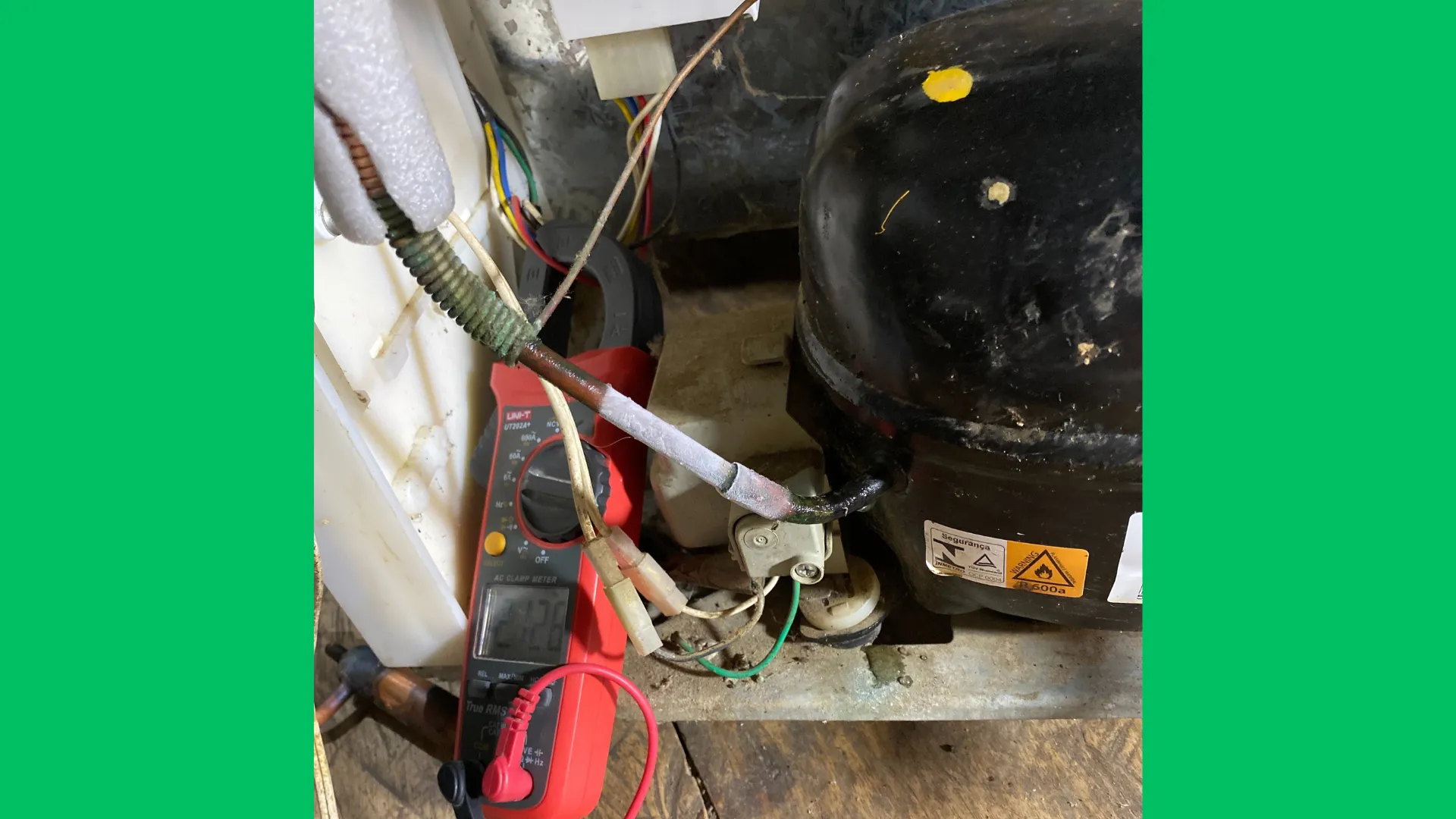
Excess refrigerant in a refrigerator can seriously affect its performance and cause problems such as high amperage, abnormal freezing, and damage to the suction line, including freezing. Knowing when there is excess refrigerant is crucial to preventing malfunctions and maintaining the appliance's efficiency. This article explains how to detect it, its symptoms, causes, and practical solutions so you can keep your refrigerator running properly and save energy.
Definition and function of excess gas in the refrigerator
Excess refrigerant in a refrigerator occurs when more refrigerant than the manufacturer recommends is added. Refrigerant is essential for the cooling cycle, as it absorbs and transfers heat from the inside to the outside. However, an overcharge can alter the pressure within the system and damage critical components.
As a technician with years of experience in refrigeration systems, I have found that properly managing the gas charge is key to avoiding overloads that damage the refrigerator and increase electricity consumption.
Common signs or symptoms
- High amperage: An excess of gas generates higher pressure, forcing the compressor to work harder and consume more current, increasing the amperage and the risk of burning out the motor.
- Abnormal freezing: Excess refrigerant can cause the suction pipe to freeze, blocking flow and decreasing cooling efficiency.
- Damage to the suction pipe: High pressures can cause deformations or ruptures in the pipe, leading to leaks and serious failures.
Common causes
excessive refrigerant charge
This usually happens when a technician adds gas without measuring correctly or due to a lack of knowledge of the recommended amount. It is detected by checking system pressures with gauges and comparing them to the manufacturer's specifications.
Problems in the pressure control system
If the regulator or expansion valve fails, it can allow too much gas to accumulate in the system. This is identified by observing irregular fluctuations in the refrigerator's pressures and temperatures.
Previous leaks and repeated refills
When leaks are left unrepaired and the refrigerant is continuously recharged to maintain cooling, an accidental overcharge can occur. This is detected by checking the integrity of the circuit and the refrigerant level with specialized tools.
Step-by-step (safe) solutions
Before performing any work, make sure to disconnect the refrigerator from the power supply and use personal protective equipment to avoid accidents with the refrigerant.
- Step 1: Measure the system pressure using appropriate gauges to determine if there is excess gas. This measurement must be accurate and performed under normal operating conditions.
- Step 2: If the excess is confirmed, proceed to recover the excess gas with a recovery tank, following environmental regulations for the handling of refrigerants.
- Step 3: Recheck the compressor pressures and amperage after removing the gas. If the amperage remains high or problems persist, it's time to call a qualified technician for a thorough inspection.
Quick alternatives
- Option A: Adjust the expansion valve to regulate the pressure. Pros: Quick fix if the problem is with the regulator. Cons: Doesn't correct excess gas, only adjusts flow.
- Option B: Manually defrost the suction line to clear blockages. Pros: Temporarily improves flow. Cons: Does not eliminate the cause of the excess gas or prevent it from recurring.
Costs and when to call a technician
The cost to correct a refrigerant leak can range from $50 to $200 USD, depending on the severity, the type of refrigerant, and the refrigerator model. Factors that influence the cost include the need to recover refrigerant, repair damaged pipes, or replace components.
You should call a technician if you notice that the amperage remains high after adjustments, freezing persists, or there are visible leaks. A professional has the tools and certifications to handle refrigerant gases safely and efficiently.
Common mistakes to avoid
- Adding gas without measuring or diagnosing beforehand can worsen the problem.
- Ignore signs of high amperage, as it can cause permanent damage to the compressor.
- Defrosting the pipe without identifying the cause only provides a temporary solution.
Preventive maintenance (checklist)
- Check gas charge and pressures - every 6 months.
- Inspect the condition of pipes and connections - every 6 months.
- Measure compressor amperage - every 3 months.
Frequently Asked Questions
How do I know if my refrigerator has too much refrigerant? A clear sign is high compressor amperage and freezing in the suction line.
Can I fix the excess gas myself? Only if you have experience and the right tools; otherwise, it's best to call a technician.
What are the risks of having too much refrigerant in your refrigerator? It can damage the compressor, increase electricity consumption, and cause dangerous leaks.
Resources and references
- Official manual of the refrigeration manufacturer (example: LG, Samsung).
- Technical guide for handling refrigerants from the Association of Refrigeration Technicians.
Summary
Excess refrigerant in your refrigerator can cause costly damage and increase energy consumption. Detecting symptoms like high amperage and freezing in the suction line early is vital for taking action. Follow the recommended solutions and don't hesitate to contact a qualified technician when necessary to ensure the safety and efficiency of your appliance. Keep your refrigerator in optimal condition and save on future repairs.
If you suspect your refrigerator has excess refrigerant, schedule a professional inspection today to prevent further damage.