How often should you clean the refrigerator?
Discover how often you should clean your refrigerator depending on your usage, how to do it without damaging it, and the mistakes that cause bad smells and b…
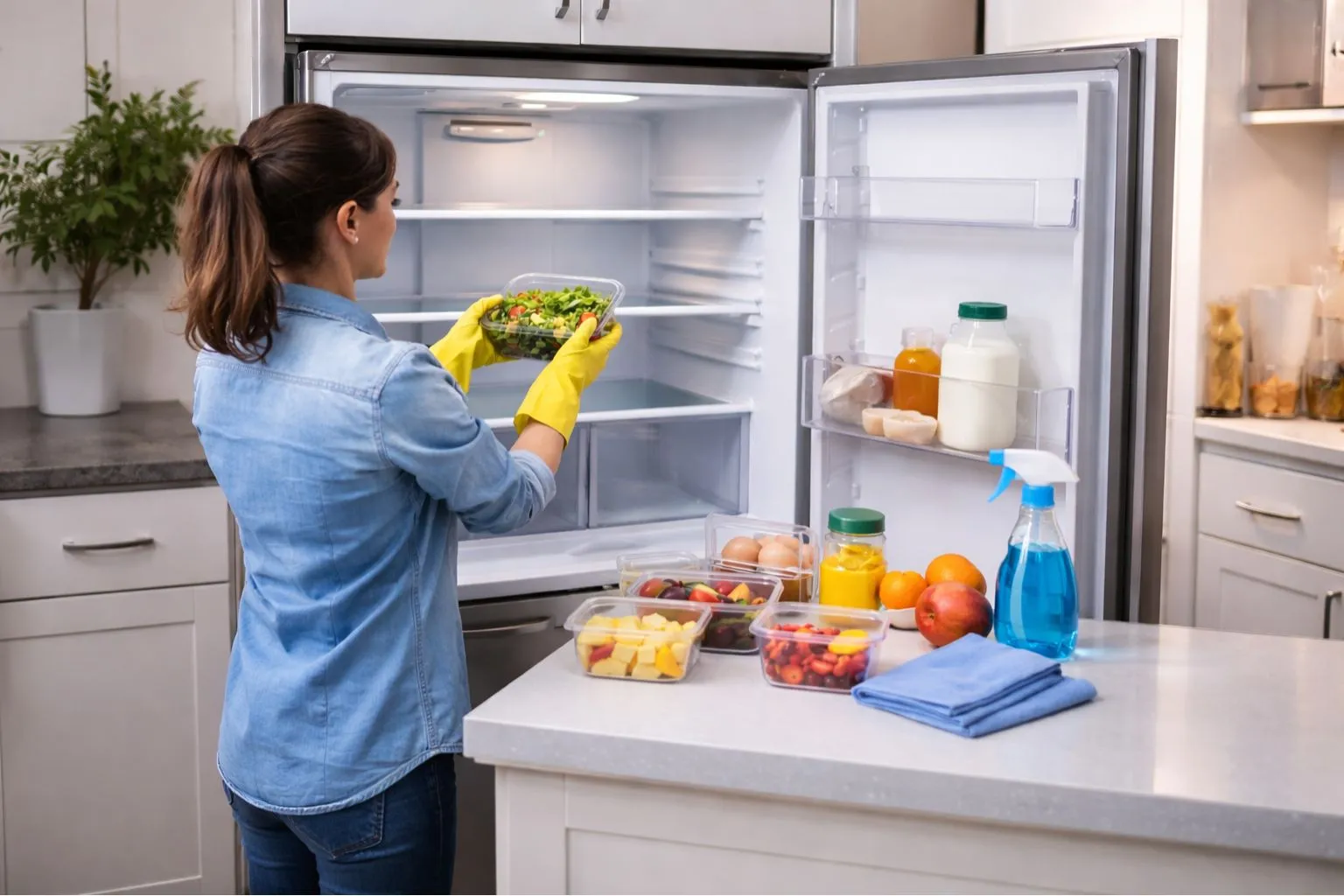
The refrigerator is one of those appliances we use every day, but we often only clean it "when it starts to smell" or when a visible stain appears. The problem is that by the time you get to that point, there have already been spills, micro-residues, accumulated moisture, and, in some cases, cross-contamination between foods.
Cleaning it frequently isn't just about aesthetics. A clean refrigerator helps preserve the flavor of food, reduces unpleasant odors, prevents mold in hidden areas, and can improve overall performance because dirt doesn't accumulate where it shouldn't.
“The refrigerator doesn’t warn you when it’s dirty. It warns you when you already feel the problem.”
Quick answer: the ideal frequency, without complicating things.
Under normal circumstances, it's recommended to do a light cleaning every week, a complete internal cleaning every 3–4 weeks, and a deep cleaning (including seals, drain, and back) every 2–3 months. If there are children in the house, frequent spills, raw food, or power outages, more frequent cleaning is advisable.
The key isn't to clean "a lot" once a year. The key is to clean "a little" consistently.
Why is it so important to clean the refrigerator on time?
A refrigerator combines three things that promote unpleasant odors if left unchecked: humidity, food scraps, and open containers. While cold temperatures slow the growth of some microorganisms, they don't eliminate everything. Furthermore, spills can trap dirt and grime in corners, drawers, and crevices where we rarely look.
There's also something that's subtle but has a significant impact: when the inside of the refrigerator has stuck-on food particles or mold on the rubber seals , that odor transfers to other foods. Have you ever noticed your cheese or butter developing a strange smell? Often, it's not the food itself, but the environment inside the refrigerator.
“Cold preserves, but dirt contaminates.”
How often to clean your refrigerator depending on your situation (clear table)
Not everyone uses the refrigerator the same way. That's why this chart helps you decide on a realistic frequency, without overdoing it or falling short.
Type of Household Use Quick Clean (5–10 min) Thorough Clean (30–45 min) Deep Clean Normal Use (couple or family, few spills) 1 time per week Every 3–4 weeks Every 2–3 months Lots of cooked food and open containers 2 times per week Every 2–3 weeks Every 2 months Frequent Meat/Chicken/Fish 2 times per week Every 2–3 weeks Every 1–2 months Children at home (common spills) 2–3 times per week Every 2 weeks Every 1–2 months Power outages or very humid weather 2 times per week Every 2 weeks Monthly or every 6 weeks
"The correct frequency is the one that prevents the odor from appearing, not the one that reacts when it has already appeared."
Clear signs that you're already over the time limit
Sometimes you don't know it's time to clean until something screams at you. These are the most common signs:
When you open the refrigerator and smell a "mixed" odor, even if there's no spoiled food, it's time for a cleaning. If you see drips or constant moisture in the corners, it's a sign of water accumulation or poor ventilation. If the door seal looks dark, sticky, or has spots, mold often grows there. If the vegetable drawer has liquid or dirt stuck to it, don't put it off. And if you notice that food doesn't last as long as usual, it's not always the temperature: sometimes it's hygiene.
Have you ever cleaned "just the surface" and the smell quickly returned? That usually means the problem is in the seals, drains, or some hidden corner.
Practical step-by-step guide to cleaning the refrigerator without damaging it
This step-by-step guide is designed to help you do it right and quickly, without harsh products and without complicating things with a million things.
Step 1: Get organized so you don't waste time
First, take the food out and put it on a table. If you have a cooler or insulated bag, use it for dairy or meat while you clean. The idea is to keep the cleaning process quick and easy, without stressing the food.
A question many people ask: do you always have to unplug it? For a quick clean it's not mandatory, but for a thorough cleaning it's recommended if you're going to be removing trays and want to work comfortably.
Step 2: Clean up spills and crumbs before wiping.
Before wetting everything, remove crumbs and dried debris. This prevents a sticky paste from forming, which is more difficult to clean later.
Step 3: Use a gentle and safe solution
The most effective solution is usually simple: warm water with a little mild soap. If you need to add extra help for odor, you can use a small amount of baking soda dissolved in water.
Avoid harsh chemicals or unusual mixtures. The important thing is not to leave any product odors inside, because food absorbs aromas.
“What smells like 'cleaner' can also end up smelling like it in your food.”
Step 4: Trays and drawers: where problems hide
Remove trays and drawers and wash them separately. Vegetable juices, stuck-on stains, and moisture tend to accumulate there. If you clean the inside but leave drawers dirty, the smell will return.
Step 5: the door seal (the most often forgotten area)
The rubber accumulates grease, dust, and moisture. Clean it with a damp cloth, making sure to get into the grooves. If there's mold there, no matter how much you clean inside, the smell will return.
Step 6: Dry thoroughly before putting everything back in
Humidity is the enemy. Drying is just as important as cleaning. A damp interior produces odors faster, especially in warm climates.
Step 7: Rearrange thoughtfully to minimize mess
This might seem like a small detail, but it makes all the difference. Foods that are prone to spilling should be kept in sealed containers. Liquids and sauces should be tightly covered. And raw meat should always be placed on the bottom shelf to prevent dripping onto other foods.
Mistakes that cause you to lose results (and create bad smells)
The most common mistake is only cleaning when there's an odor. By then, residue has already accumulated in areas you can't see. Another typical error is using harsh cleaning products and leaving a chemical scent inside. Sometimes the smell "goes away," but the food starts absorbing that artificial fragrance. Another common mistake is cleaning shelves but not washing drawers. The vegetable drawer becomes a breeding ground for mold if left unattended. And the most overlooked area: the door seal. That area may look "normal" but still accumulate dirt and mildew.
A key question: why does the smell return after cleaning? Because the cleaning was superficial or moisture was left behind.
Final mini summary according to profiles
Profile 1: Family with children and frequent strokes
Your best strategy is a quick, more frequent, and thorough cleaning every two weeks. This prevents everything from "piling up."
Profile 2: You cook a lot and store ready-made food
Be careful with poorly sealed containers. Clean thoroughly every 2–3 weeks and check for odors caused by mixing ingredients.
Profile 3: You buy meat/chicken/fish frequently
Hygiene must be stricter. Frequent, quick cleaning and meat always on the bottom. Check for hidden spills.
Profile 4: Hot/humid climate or power outages
More frequent cleaning and thorough drying. Humidity accelerates odors and mold.
Frequently Asked Questions (FAQ)
How often should I clean the inside of the refrigerator?
In most homes, a thorough cleaning every 3–4 weeks is a good baseline. If there are frequent spills or raw food, it's best to do it every 2–3 weeks.
Does the refrigerator need to be unplugged for cleaning?
It's not necessary for a quick clean. For a thorough clean, it does help you work more comfortably and safely, especially if you're going to remove trays and wash them.
What happens if I don't clean the door seal?
It can accumulate dirt and moisture, which promotes odors and mold. Additionally, if the rubber deteriorates, it can lose its seal and affect cooling.
What should I do if my refrigerator smells bad even though it's "clean"?
The most common source of the odor is drawers, seals, drains, or hidden spills. Also, check for improperly sealed food or containers with liquids.
How can I prevent the bad smell from coming back quickly?
Dry thoroughly after cleaning, store food in sealed containers, clean up spills immediately, and check the door seal frequently.