How can you tell if your refrigerator has run out of gas?
Discover how to identify if your refrigerator's gas has run out, the common causes, symptoms, safe solutions, and when it's time to call a professional techn…
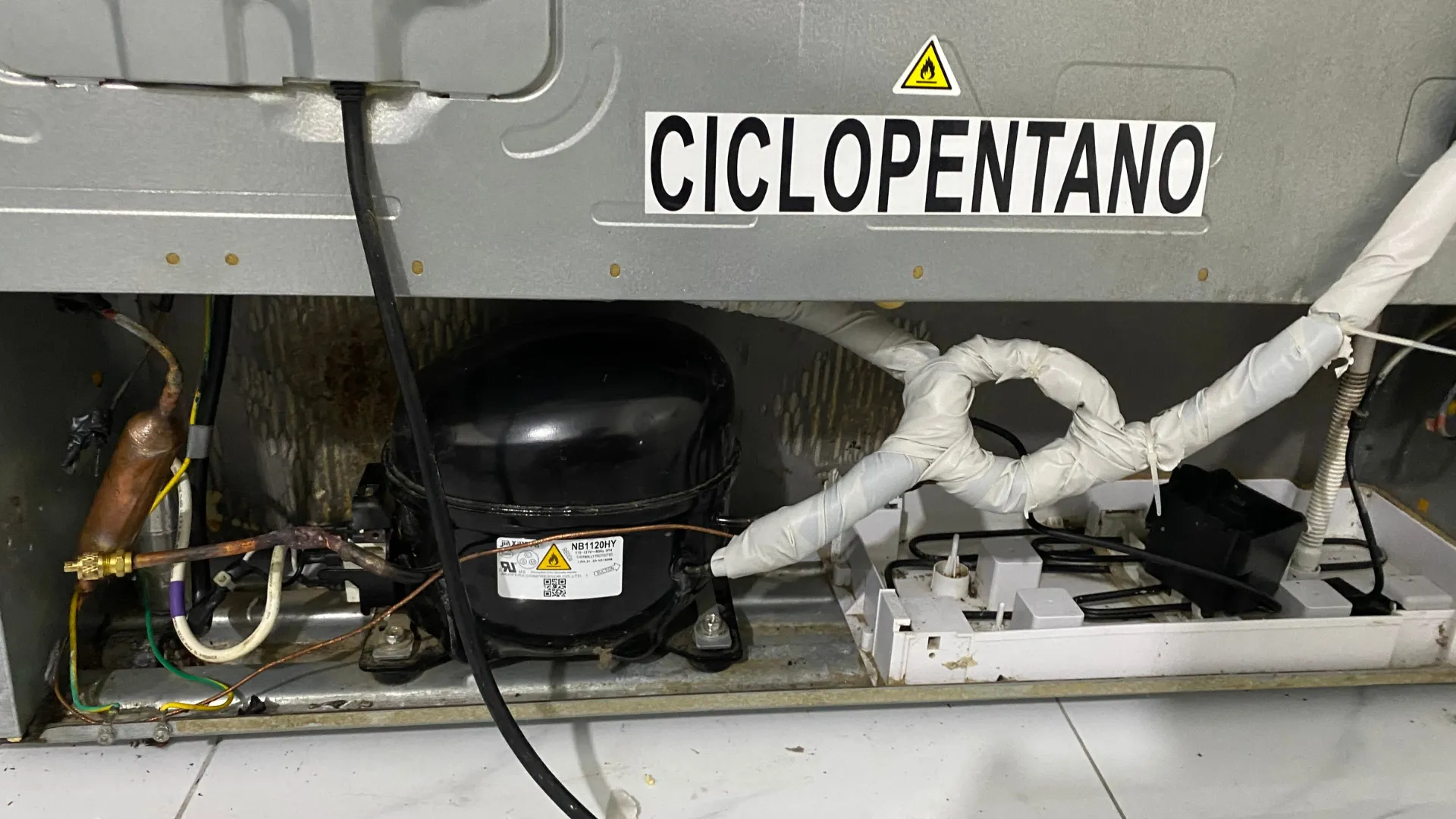
If your refrigerator has stopped cooling properly, it may have run out of refrigerant. This gas is essential for the cooling system to function and keep your food fresh. Recognizing this problem early can help you avoid further damage and preserve your food better. Knowing how to tell if your refrigerator has run out of refrigerant will allow you to act quickly and save on costly repairs.
Definition and function of refrigerant gas in the refrigerator
Refrigerant is the gas that circulates within the refrigerator system, absorbing heat from the interior to keep it cold. This gas evaporates and condenses in a continuous cycle within a closed circuit. I'm an appliance repair technician, and in my experience, a low refrigerant level or a complete lack of refrigerant is one of the main reasons a refrigerator stops cooling.
Common signs or symptoms
- Refrigerator not cooling: The lack of gas prevents the system from absorbing heat, so food is not preserved well, increasing the risk of spoilage.
- Ice formation in the freezer: This may indicate that the gas is low and the system is working irregularly, affecting the thermal balance.
- Unusual compressor noise: When the gas runs out, the compressor can overload and produce strange sounds, which can lead to further damage.
Common causes
Gas leaks
Leaks are the most common cause of gas shortages. They are caused by wear and tear, impacts, or improper installation. You can detect them by looking for oil stains or listening for hissing sounds near the pipes.
Prolonged use without maintenance
The refrigeration system requires regular maintenance. Dust and dirt can affect the connections and cause gas leaks. This is detected through a visual inspection and pressure testing.
Physical damage or blows
Strong impacts can break or damage internal pipes, causing a gas leak. This is noticeable by visible damage to the casing or sudden changes in performance.
Step-by-step (safe) solutions
Before you begin, remember that refrigerant gas is toxic and must be handled with care. If you lack experience, it's best to call a technician.
- Step 1: Visually inspect the system for leaks or damage. Use gloves and appropriate tools, and allow at least 15 minutes.
- Step 2: If you have the equipment, perform a pressure test to confirm if there is a gas leak. Verify that the system maintains stable pressure.
- Step 3: If you identify a leak or the gas is low, stop using it and contact a certified technician to recharge or repair the system.
Quick alternatives
- Option A: Use leak detection sprays. Pros: fast and inexpensive; Cons: only detects surface leaks, doesn't solve the problem.
- Option B: Replace the refrigerator. Pros: definitive solution if repair is expensive; Cons: high cost and not always necessary.
Costs and when to call a technician
The cost of recharging the refrigerant in a refrigerator can range from $50 to $200, depending on the type of refrigerant, the brand, and the extent of the repair. Other influencing factors include geographic location, the age of the appliance, and the ease of access to the system.
You should call a technician if you notice a constant loss of cold air, strange noises, the presence of moisture or oil stains, or if you don't have the proper tools to perform the tests safely.
Common mistakes to avoid
- Attempting to recharge the gas without detecting the leak first; this only hides the problem and can be dangerous.
- Using gases that are incompatible with your refrigerator's cooling system can cause irreversible damage.
- Do not turn off the refrigerator before performing any inspection, as this may cause electrical accidents.
Preventive maintenance (checklist)
- Check the cooling system and connections - every 6 months.
- Clean the capacitor coils to prevent overloading - every 3 months.
- Have the gas level checked by a technician - annually.
Frequently Asked Questions
Can I recharge the refrigerator's refrigerant myself? It is not recommended, as the refrigerant is toxic and requires special equipment to handle correctly.
How long does refrigerant last in a refrigerator? Under normal conditions and without leaks, the gas can last the entire lifespan of the appliance.
Can a lack of refrigerant damage the compressor? Yes, because the compressor works harder to cool and can overheat or burn out.
Resources and references
- Official domestic refrigeration manual (refrigerator manufacturer).
- Technical guide for the maintenance of household appliances (electrical safety agency).
summary of what was discussed
Knowing how to tell if your refrigerator has run out of refrigerant is key to keeping your food fresh and avoiding costly repairs. Watch for the symptoms, perform preventative maintenance, and if you have any doubts, consult a professional. Don't wait until your refrigerator stops working: act in time and protect your investment.
Is your refrigerator showing signs of low refrigerant? Contact a certified technician today for a complete check-up to keep your home cool and safe.