because there is current in the refrigerator chassis
Discover the common causes of electrical current in your refrigerator's chassis, how to identify it, and what to do to fix it safely and effectively.
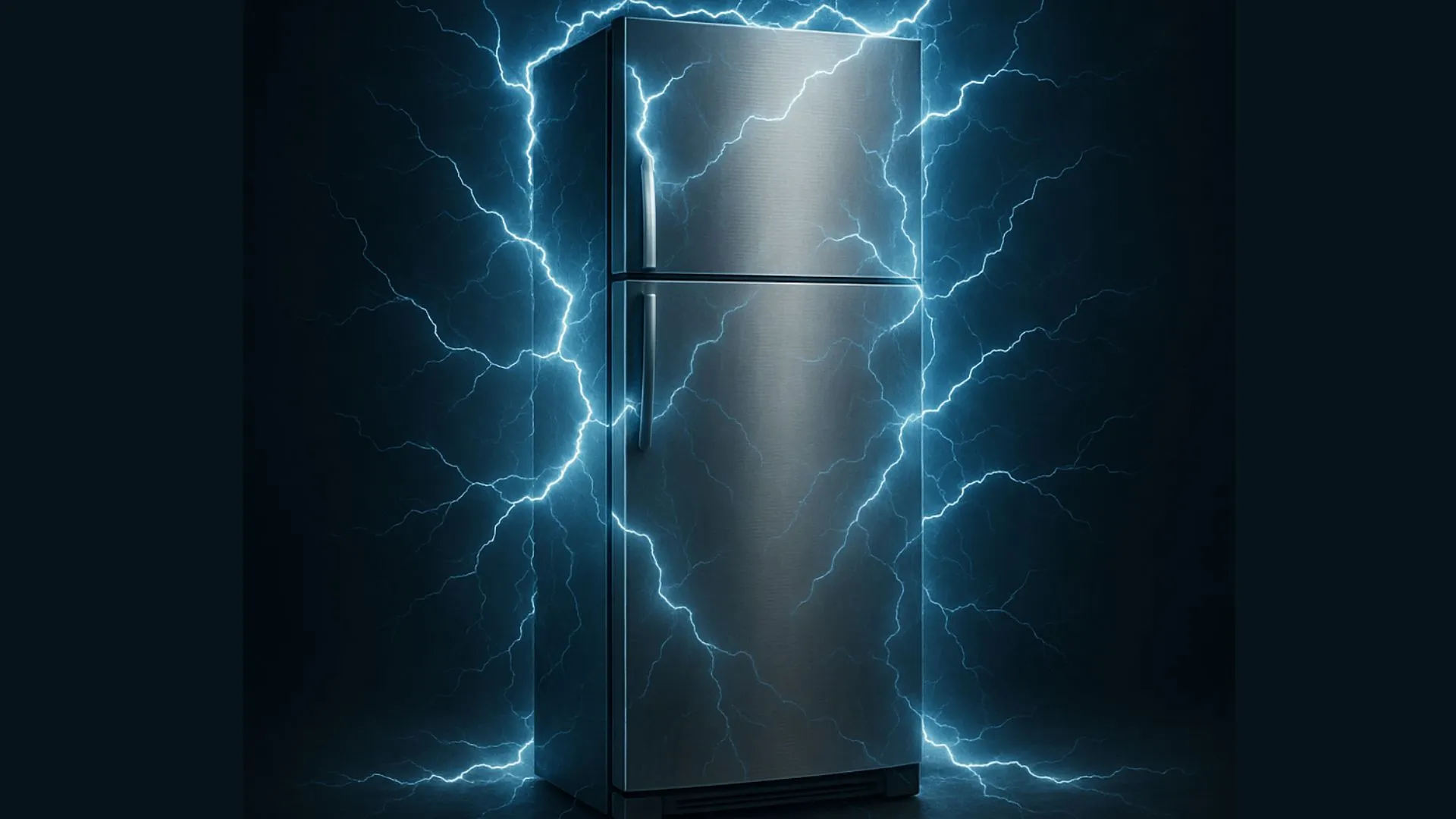
Detecting current in the refrigerator chassis is a clear sign of an electrical leak or grounding problem that requires immediate attention. This current can pose a risk of electric shock to anyone touching the appliance and indicates that the refrigerator is not functioning properly. Understanding why there is current in the refrigerator chassis helps prevent accidents, maintain home safety, and extend the appliance's lifespan.
Definition and function of the current in the refrigerator chassis
The refrigerator chassis is the metal structure that supports all the internal and external components of the appliance. Normally, this chassis should not carry any electrical charge, as it is grounded to prevent electricity from flowing into the casing and causing damage or accidents.
As a writer with experience in technical and appliance maintenance, I can confirm that the presence of current in the chassis usually indicates faults in the insulation, wiring, or grounding. Diagnosing and correcting this situation is crucial to avoid electrical hazards.
Common signs or symptoms
- A sensation of electric shock when touching the refrigerator: this is usually caused by a current leak and represents a risk of electrocution.
- Buzzing or strange noises: these may indicate problems with the motor or compressor related to faulty connections.
- Frequent tripping of the differential switch: the leakage current activates the protection of the electrical system to prevent further damage.
Common causes
Cause 1: Wiring insulation failure
The insulation of the wires inside the refrigerator can be damaged over time due to wear, moisture, or excessive heat. This damage causes electrical current to leak into the metal chassis. To detect this, a multimeter can be used to measure continuity and check for electrical leaks.
Cause 2: Faulty grounding
If the refrigerator is not properly grounded, or if the grounding connection is loose or corroded, the current has no safe path to dissipate, causing the chassis to become energized. This can be identified by inspecting the electrical installation and ensuring that the grounding meets regulations.
Cause 3: Damaged internal components
Internal components such as the compressor, thermostat, or relays can experience electrical faults that cause current leaks to the chassis. Inspection by a qualified technician with the appropriate tools is the best way to detect these faults.
Step-by-step (safe) solutions
Before starting any work, make sure to disconnect the refrigerator from the power supply to avoid the risk of electric shock.
- Step 1: Check the grounding of the outlet and the circuit where the refrigerator is plugged in. Use a multimeter to verify that the grounding is working properly.
- Step 2: Visually inspect the external and internal wiring for visible damage to the insulation or loose connections. If you find any damage, replace or repair the wiring.
- Step 3: If the current persists after these checks, stop the intervention and call a qualified technician to perform a safe assessment and repair.
Quick alternatives
- Option A: Use a surge protector or a plug with a residual current device (RCD). Pros: additional protection against electrical shocks. Cons: does not address the root cause.
- Option B: Unplug the refrigerator until a professional can inspect it. Pros: Prevents immediate accidents. Cons: Temporary loss of appliance use.
Costs and when to call a technician
The cost of repairing a current leak in a refrigerator chassis can range from $50 to $200, depending on factors such as the complexity of the damage, the refrigerator's make and model, and the technician's rate. It also depends on whether major components need to be replaced or a complete electrical system overhaul is required.
You should call a technician when:
- The current persists after checking the grounding and external wiring.
- You lack the experience and tools to diagnose internal failures.
- You notice strange noises or the refrigerator frequently trips the circuit breaker.
Common mistakes to avoid
- Do not unplug the appliance before inspecting: it may cause serious shocks.
- Ignoring the sensation of discharge, thinking it's normal, is a symptom of a serious problem.
- Performing internal repairs without technical knowledge: can worsen the fault and jeopardize safety.
Preventive maintenance (checklist)
- Check the grounding connection - every 6 months.
- Inspect wiring and plug - annually.
- Check the operation of the differential switch - every 3 months.
Frequently Asked Questions
Is it normal to feel a current in the refrigerator chassis? No, there should never be any current in the chassis as it represents an electrical hazard.
Can I fix the electrical leak myself? Only if you have basic electrical knowledge and the right tools; otherwise, it's best to call a professional.
What happens if I don't repair the current in the chassis? You could suffer electric shocks, damage to the refrigerator, or even a fire.
Resources and references
- Official LG refrigerator maintenance manual.
- Electrical safety guide from the National Institute for Occupational Safety and Health (INSST).
Conclusion
Detecting and troubleshooting electrical issues in the refrigerator chassis is essential for home safety and the appliance's proper functioning. Perform regular checks and don't hesitate to contact a qualified technician if you notice any problems. Keep your refrigerator safe and running efficiently by following these tips.
If you need professional help or advice, don't hesitate to contact us for specialized attention.